

Unlocking the Code of Connection: Your Guide to Better Relationships
Have you ever felt like you and your partner are speaking two different languages? You might say, “Can’t you see what I mean?” while they respond, “No, it just doesn’t sound right.” This common struggle happens because we all have a unique Code of Connection. Just like a secret language, this code shapes how we give and receive love. When you finally learn to crack the code of connection, you stop arguing and start understanding. It is like finding the missing piece to a puzzle you have been trying to solve for years. Let’s dive into how you can master this art.
What Is the Code of Connection?
The code of connection is essentially your personal communication style. It is the invisible filter you use to see the world. Think of it as your brain’s way of sorting information. Some people are visual thinkers, while others prefer sounds or physical feelings. When you know your own code of connection, you understand why you react to things the way you do. Once you know your partner’s code, you can change your approach to match theirs. This simple shift creates a bridge that makes every conversation feel much smoother and more meaningful.
Why Communication Styles Matter
Communication is more than just talking; it is about feeling heard and understood. When you ignore the code of connection, you end up in a loop of frustration. You might be trying to show love, but your partner doesn’t “get it” because you are using a different language. By aligning your styles, you build a stronger emotional foundation. Healthy relationships thrive when both people feel seen and valued. Learning this code of connection helps you avoid unnecessary fights and builds deep, lasting trust. It is the ultimate tool for anyone wanting a happier, more peaceful home life.
Understanding Sensory Channels
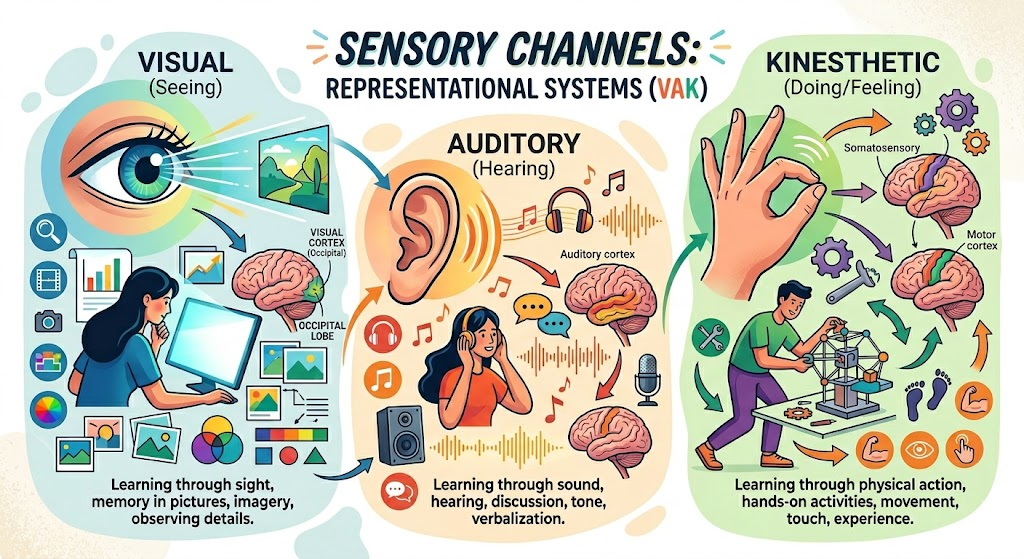
Our brains process the world through our senses. These are often called “representational systems” in psychology. Some people are highly visual, meaning they think in pictures. Others are auditory and rely on words, tone, and rhythm. Then there are kinesthetic people, who process the world through touch and physical sensations. Your code of connection is likely tied to one of these channels. If you are visual, you might say, “I see your point.” If you are auditory, you might say, “That sounds good to me.” Recognizing these patterns is the key to unlocking the code of connection.
How to Identify Your Partner’s Code
You can spot your partner’s code of connection by listening to the words they use. These are called “predicates.” If they use words like “bright,” “look,” or “view,” they are likely visual. If they say “loud,” “rhythm,” or “harmonious,” they are probably auditory. For kinesthetic partners, look for words like “handle,” “grasp,” or “feeling.” Once you identify their language, start using it yourself! If they are visual, use metaphors or draw a quick picture. If they are kinesthetic, a small touch or a comforting gesture can mean the world. This is the code of connection in action.
The Role of Empathy in Connecting
Empathy is the heart of the code of connection. It means stepping out of your own shoes and into someone else’s. You don’t have to agree with everything, but you must respect their perspective. When you use your code of connection to show empathy, your partner feels safe. They stop being defensive and start opening up to you. This is where real healing happens in a relationship. Empathy softens the edges of a hard conversation and turns it into a space for growth. It is a powerful part of the code of connection.
Building Trust Through Consistency
Trust is built in small, quiet moments, not just big gestures. When you use your code of connection daily, you show consistency. You show your partner that you care enough to learn their language. This builds a deep sense of security. Trust is the glue that holds everything together. Without it, the best communication techniques won’t work. As you keep practicing the code of connection, you become a more reliable partner. Over time, this creates a bond that can weather any storm. Always remember that trust is earned through your daily actions.
Active Listening: The Secret Weapon
Active listening is a huge part of mastering the code of connection. Most of us listen to reply, not to understand. Instead, try listening with your full attention. Let your partner finish their thought before you speak. Use your code of connection to summarize what you heard. Say things like, “What I hear you saying is…” This makes your partner feel important and validated. When you stop interrupting, you create room for true code of connection to flourish. It is a simple habit, but it changes everything.
Handling Conflict with Grace
Conflicts are natural, even in the best relationships. However, the way you handle them defines your code of connection. Avoid blaming or attacking your partner when things get tense. Use “I” statements to share how you feel rather than what they did wrong. When you use your code of connection, you focus on solving the problem together. You become a team again. Even in a heated moment, your code of connection can serve as a reminder to stay kind. It is about fighting for the relationship, not fighting to win.
The Power of Shared Experiences
Doing things together is a great way to reinforce your code of connection. Whether it is a hobby, a walk, or just cooking dinner, shared moments build memories. These experiences give you common ground to stand on. When life gets busy, these memories act as a reminder of why you are together. A strong code of connection is built on these shared stories. It creates a sense of belonging that keeps you close. Make time for these small, everyday adventures to keep your code of connection alive and well.
Why Small Habits Create Big Change
You don’t need a massive overhaul to improve your love life. Small, consistent changes are what count. Try noticing your partner’s code of connection just once a day. Offer a compliment in their language or listen for five extra minutes. These tiny habits add up to a huge difference over time. Your code of connection is like a muscle that grows with exercise. The more you use it, the easier it becomes. Stay patient with yourself and your partner as you both learn this new way of being together.

Conclusion
Mastering the code of connection is a life-long journey, not a destination. It takes practice, patience, and a lot of heart. By understanding your own style and embracing your partner’s, you create a home built on understanding. Start today by simply paying attention to how you and your loved ones communicate. You have the power to turn frustration into harmony. Use your code of connection to build the relationship you have always wanted. Why wait? Start using these tools to create a deeper, more loving bond right now.
Comparison of Communication Styles
| Style | Key Focus | How to Connect |
| Visual | Pictures & Imagery | Use diagrams, colors, and visual descriptions. |
| Auditory | Sounds & Words | Speak clearly, use tone, and talk things through. |
| Kinesthetic | Touch & Feelings | Use physical gestures and focus on emotions. |
Frequently Asked Questions
1. Can I learn more than one code of connection?
Yes! While we often have a primary style, we can learn to speak all of them to be better communicators.
2. Is the code of connection only for romantic couples?
Not at all! These skills work perfectly for friends, children, and even coworkers.
3. What if my partner refuses to change their style?
You can’t force them, but if you start using their language, they will often naturally mirror you.
4. How long does it take to see results?
Many people notice a shift in mood and tension within just a few days of intentional practice.
5. Are there any risks to this approach?
None! It is simply a way to be more thoughtful and intentional with how you speak to others.
6. Where can I find more resources on this topic?
Reading about NLP (Neuro-Linguistic Programming) and active listening is a great next step for your growth.


